Company discovery
- Input
- Industry thesis, geography, size proxy, event window, exclusions.
- Output
- Candidate domains with match rationale and unresolved fields.
- Boundary
- Classification and headcount estimates can differ by source.
Research specification
Funding rounds, acquisitions, executive appointments, and hiring signals create useful hypotheses. They do not prove budget, urgency, or fit. This methodology keeps each observation attached to a date and asks a reviewer to accept or reject the inference.
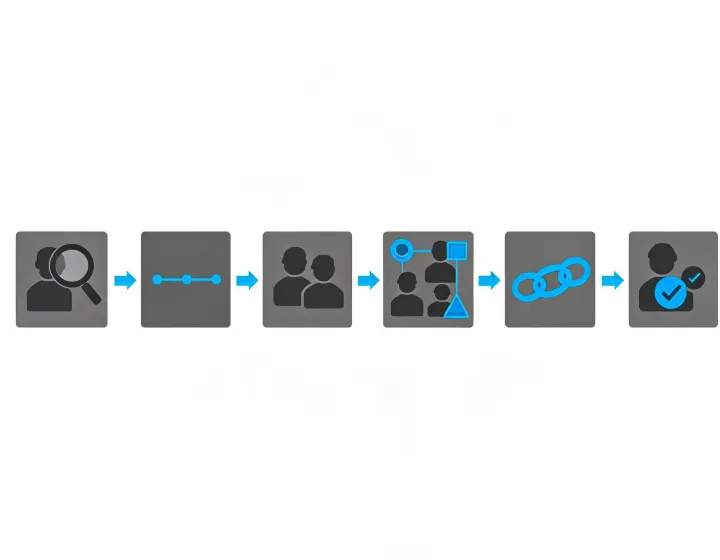
Replace “promising startup” with industry, operating region, company stage proxy, dated change signal, and disqualifiers.
Compare legal name, operating name, website domain, location, and event participants before combining records.
Store the source-supported event independently from the commercial interpretation your team wants to test.
Measure false positives, unresolved fields, source freshness, review time, and downstream correction work.
Verify professional contact data, suppression status, applicable regional rules, and human-edited relevance.
A known cohort reveals whether identity, event timing, and role interpretation meet your internal acceptance policy.
Score each candidate against a written rubric: correct entity, event inside the stated window, source available, required role supported, exclusions respected, and reviewer decision recorded. Report unresolved fields separately from rejected matches so coverage gaps do not disappear inside a single accuracy percentage.
npx -y @okki-global/okki-go-taroball